
As parents and caregivers in the Coachella Valley, we know that feeding our little ones can feel overwhelming. How much is enough? What if they refuse to eat? Why won't they just finish what's on their plate? From an infant mental health perspective, these mealtime moments are about so much more than getting food into tiny bellies, they're opportunities to build trust, autonomy, and a healthy relationship with food that will last a lifetime.
The Division of Responsibility: A Foundation for Healthy Development
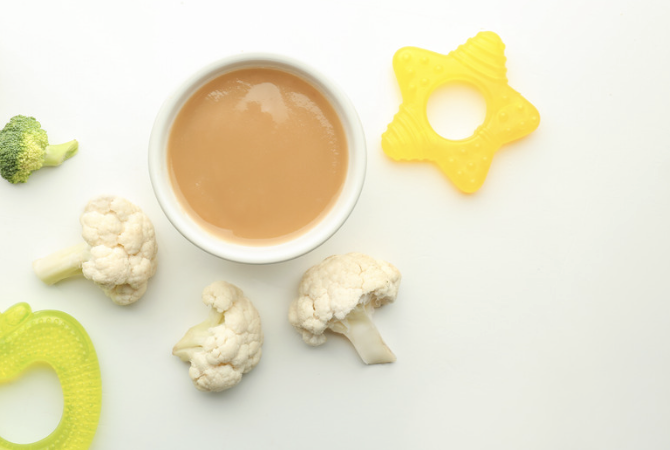
Purees and lightly steamed foods are great first foods.
One of the most powerful concepts in early childhood feeding comes from understanding the natural division of responsibility between caregiver and child. Your job is to decide what food is offered, when it's served, and where meals happen. Your toddler's job is to decide whether to eat and how much to consume.
This isn't just about nutrition, it's about emotional development. When we respect our toddler's ability to listen to their own hunger and fullness cues, we're teaching them to trust their bodies. We're saying, "You know yourself. I trust you." This foundation of self-trust and bodily autonomy is essential for healthy emotional regulation and self-esteem as they grow.
Starting Small: Why Portion Sizes Matter for Emotional Wellbeing
According to the American Academy of Pediatrics, a toddler serving is about one-quarter of an adult's serving. But from an infant mental health lens, there's a deeper reason to start with small portions: large amounts of food can feel overwhelming and trigger anxiety in young children who are still learning to navigate their world.
Think about it from your toddler's perspective. They're already working hard to manage big emotions, develop independence, and make sense of social expectations. A plate piled high with food can feel like just another demand they can't meet. By offering small portions, you're creating a low-pressure environment where success is achievable.
Age-Appropriate Portions Build Confidence
Here's a simple guide to toddler portions that supports both nutritional needs and emotional development:
Grains (6 servings daily): 1/4 cup pasta or rice, 1/2 slice of bread, or 1-2 crackers
Dairy (2-3 servings daily): 1/2 cup milk, 1/3 cup yogurt, or 1/2 ounce of cheese
Vegetables (2-3 servings daily): Use the "one tablespoon per year of age" rule—a 2-year-old gets 2 tablespoons of veggies
Fruits (2-3 servings daily): 1/4 cup of cut fruit or unsweetened applesauce
Protein (2 servings daily): Half an egg, 2 tablespoons of cooked meat or fish, or 2 small cubes of tofu
Legumes (2 servings daily): 2 tablespoons of cooked beans or 1 tablespoon of nut butter spread thinly
The Pressure-Free Plate: Supporting Emotional Health at Mealtimes
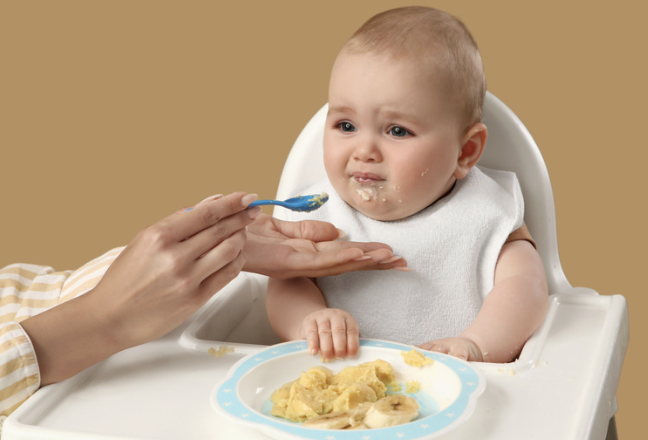
Learning to trust a child’s internal cues is an important part of moving to solid foods.
When we pressure children to "clean their plates" or "take just one more bite," we unintentionally teach them to override their internal cues. This can lead to disordered eating patterns later in life and disconnection from their own bodies' signals.
Instead, from an infant mental health perspective, we want to:
Honor their "no": When a toddler refuses food, they're practicing asserting boundaries—a crucial life skill
Celebrate their "yes": When they ask for more, they're communicating needs confidently
Stay neutral: Our anxiety about their eating can transfer to them. Trust the process
Make mealtimes connecting moments: Talk, laugh, and be present rather than focusing solely on consumption
Visual Cues That Reduce Stress
You don't always need measuring cups to create appropriate portions. Here are easy visual references:
1 tablespoon = the tip of your thumb
2 tablespoons = a golf ball
1/2 ounce = a game die
1/4 cup = a whole egg
These simple comparisons can help you quickly prepare stress-free meals without added pressure.
Creating Rituals That Build Trust
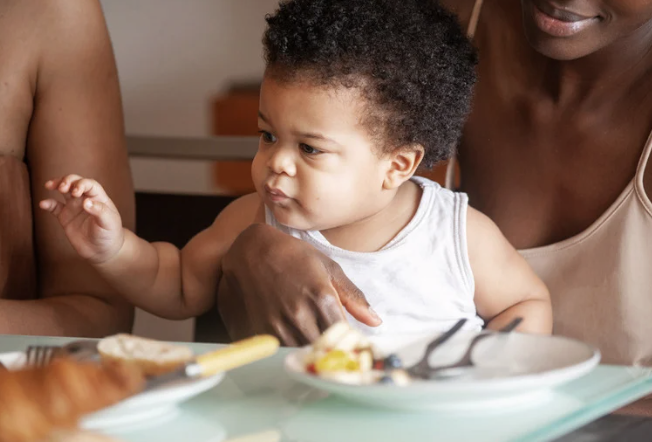
Rituals and routines at meal times is as important as the meal!
One of the most powerful ways to support your child's natural ability to self-regulate their eating is through consistent rituals and routines. When meals and snacks always happen in the same way—with your child sitting down in their high chair or at their toddler table—you create a clear container for eating that helps them tune into their body's signals.
The sitting ritual does something important: It tells your child's brain and body, "This is eating time." This focused awareness helps them recognize hunger and fullness more clearly than grazing throughout the day while playing or moving around.
Trust Your Child's Internal Compass
Here's the foundation of responsive feeding: Given consistent meal and snack times with designated seating, your child will eat as much or as little as they require.
This might feel scary at first, especially if you're used to worrying about every bite. But children are born with an incredible ability to regulate their food intake when we don't interfere with pressure, distraction, or constant grazing.
When you establish regular meal and snack times (for example: breakfast, morning snack, lunch, afternoon snack, dinner), and don't offer food outside these times, something wonderful happens: your child arrives at mealtimes actually hungry. They're more likely to eat a variety of foods and listen to their body's cues about fullness.
Snacks Are Mini-Meals, Not Fillers
In our busy lives, it's tempting to hand our children crackers in the car or pouches at the park. But from an infant mental health perspective, constant access to food actually interferes with a child's ability to recognize their own hunger and fullness.
Instead, treat snacks like mini-meals:
Serve them at designated times while your child is seated
Offer whole foods like cut fruit, cheese cubes, vegetables with hummus, raw tofu cubes, or hard-boiled eggs
Avoid ultra-processed snacks that can dull taste preferences and provide empty calories
Let your child decide how much to eat, just as you would at a meal
When snacks consist of whole, nourishing foods served at predictable times, they become part of your child's healthy eating rhythm rather than obstacles to mealtime appetite or nutritional balance.
Why Whole Foods Matter for Development
Choosing whole foods over processed or ultra-processed options isn't just about nutrition, it's about helping your child develop a palate for real food and maintain their natural ability to self-regulate. Processed foods are engineered to override our satiety signals, making it harder for children (and adults) to know when they've had enough.
Whole foods…fruits, vegetables, whole grains, proteins, dairy, legumes, allow your child's body to send clear messages about hunger and fullness. They support the very self-trust we're trying to nurture.
The 5-7 Day View: Reducing Mealtime Anxiety
Here's something that can transform your relationship with feeding: instead of worrying about what your toddler eats (or doesn't eat) in a single day, look at their intake over 5-7 days.
This perspective shift is crucial for both your mental health and your child's. Toddlers have unpredictable appetites, they might eat like a bird on Monday and devour everything on Tuesday. They might refuse vegetables for three days straight, then suddenly request broccoli at every meal. This is completely normal.
When we zoom out to a weekly view, we often discover that our children are getting balanced nutrition over time, even if individual days look concerning. One day of only eating crackers and cheese won't harm them. What matters is the overall pattern.
From an infant mental health perspective, this broader view helps us:
Stay calm and regulated at mealtimes instead of anxious
Avoid pressuring children based on one "bad" eating day
Trust the natural ebb and flow of appetite and growth
Model flexibility and trust in the body's wisdom
Reduce our own stress, which children inevitably pick up on
Keep a simple food journal for a week if you're worried. You'll likely be surprised at how things balance out when you step back from the daily ups and downs.
The Picky Eater Through an Infant Mental Health Lens
Picky eating is often a toddler's way of asserting control in a world where they have very little. It's a normal developmental stage, not a failure on your part. When we understand this as a healthy expression of autonomy rather than defiance, we can respond with patience and creativity instead of frustration.
Your toddler is learning to trust themselves, and sometimes that means saying no to the broccoli, even if they loved it yesterday. This is actually a sign of healthy development. And when you look at their intake over a week instead of a day, you'll often see they're doing just fine.
You Don't Have to Navigate This Alone
Feeding challenges, mealtime battles, and concerns about your child's eating are some of the most common stressors parents face. These moments can trigger our own anxieties and past experiences with food, making it hard to stay calm and responsive.
This is exactly why community matters.
At BabySpace Coachella Valley, we understand that parenting young children requires support, connection, and guidance from people who truly understand infant and early childhood development. Our infant and toddler groups provide a safe, welcoming space where you can:
Connect with other parents navigating similar challenges
Learn developmentally appropriate strategies from infant mental health professionals
Process your own feelings and experiences around feeding and parenting
Build a community of support right here in the Coachella Valley
Gain confidence in trusting both yourself and your child
Join Us at BabySpace
Mealtimes don't have to be battlegrounds. With the right support and understanding, they can become opportunities for connection, joy, and healthy development.
Ready to find your village? Join us for our infant and toddler groups at BabySpace Coachella Valley. Whether you're struggling with feeding challenges, sleep issues, or just need connection with other parents who understand, we're here for you.
Contact BabySpace Coachella Valley today to learn more about our groups and programs. Because every parent deserves support, and every child deserves to grow up feeling understood, connected, and free to trust their own body.
Your feeding journey doesn't have to be perfect, it just has to be filled with connection, patience, and trust. Let us support you in creating that foundation.
Remember: This information is meant as general guidance. Always consult with your pediatrician or healthcare provider about your child's specific nutritional needs and development.

The playroom at BabySpace Coachella Valley.
BabySpace Coachella Valley
Becoming a parent is a profound and life-altering experience, but it comes with its fair share of unspoken challenges. Meeting with other parents and exploring together what you are envisioning life could look like with your infant and toddler is an invaluable piece of new parenthood. By sharing experiences with others in a place like a BabySpace Coachella Valley Mommy and Me group, parents can find solace in the shared journey of raising the next generation, embracing both the joys and the trials that come with it.
Serving the Coachella Valley and surrounding areas, including: Palm Springs, Cathedral City, Rancho Mirage, Indian Wells, Thousand Palms, Palm Desert, La Quinta, Indio, Bermuda Dunes, Coachella, Thermal, Mecca, Desert Hot Springs, Yucca Valley, and Joshua Tree.
Therapist Palm Desert, Therapist Palm Springs, Postpartum Therapist Palm Desert, Postpartum Therapist Palm Springs, Postpartum Depression Palm Desert, Postpartum Depression Palm Springs, Pregnancy Therapist, mom support groups near me, mommy and me near me, moms support group near me, new mothers groups
#mommyandme #newmomlife #mommylife #firsttimemom #pregnancy #prenatalyoga #expectingmom #newmom #newmommy #motherhood #parenthood #postpartum #mommyhood #groupsupport #palmdesert #palmsprings #laquinta #coachellavalley #coachellavalleylife #coachellavalleyevents #SAHM #SAHMlife #wfh #wfhlife #wfhmom #wfhmomlife #momlife #mommyanddaughter #mommyandson #girlmom #boymom #pregnant #childbirthclasses