
Solid Foods for Infants and Toddlers
The Sacred Ritual of Feeding: Building Trust and Connection Through Mealtimes
When we think about introducing solid foods to infants and toddlers, our minds often go straight to nutrition…what foods to offer, how much, and when. But from an infant mental health perspective, mealtimes represent something far more profound: they are one of the earliest and most consistent rituals through which children learn about trust, boundaries, body autonomy, and their place in the family system.
More Than Just Nutrition: The Ritual of Eating Together

Eating meals together is an important ritual for children.
Between six months and two years of age, children are developing their sense of self and their understanding of how the world works. The ritual of sitting down together for meals, creating a predictable rhythm of gathering, eating, and connecting, offers babies and toddlers a profound sense of safety and belonging.
This isn't just about food going into mouths. It's about a child learning: I am part of something. There is order and predictability in my world. My caregivers create a safe space for me to explore and learn.
When we establish the practice of sitting together for meals, we're teaching children that eating is a time to slow down, to be present, and to connect with their bodies and the people around them. This stands in stark contrast to the wandering-while-eating pattern that many well-meaning caregivers fall into when life gets busy.
The Critical Importance of Sitting While Eating

Sitting while eating is important for all children at meals.
From a safety perspective, the reasons for sitting during meals are clear and non-negotiable: choking risk increases dramatically when a child is moving around while eating. A toddler who is walking, running, or playing while food is in their mouth cannot coordinate breathing, swallowing, and movement effectively. If they trip, laugh, or become startled, food can easily become lodged in their airway.
The rule is simple and should be consistently enforced: Children must sit while eating, and they should not get up from their chair until their mouth is empty. This boundary isn't about control, it's about keeping your child safe and helping them develop a healthy relationship with food and eating.
But beyond physical safety, there's a deeper reason to maintain this boundary. When a child sits to eat, they can tune into their body's signals. They can notice the texture of food, the feeling of chewing, the sensation of swallowing, and, critically, the growing sense of fullness in their belly.
Trusting the Child: Following Internal Cues of Satiation
One of the most important gifts we can give our children during the feeding relationship is the opportunity to learn to trust their own bodies. Babies are born with an innate ability to recognize hunger and fullness, but this ability can be overridden when we, as caregivers, impose our own ideas about how much they "should" eat.
When we allow children to decide when they are finished eating, based on their own internal cues rather than what's left on the plate, we are teaching them to listen to their bodies. This is foundational to developing a healthy relationship with food that will last a lifetime.
What does this look like in practice? Your child might:
Turn their head away from the spoon
Close their mouth when food is offered
Push the plate or bowl away
Say "all done" or use a sign for finished
Become distracted or fussy
Spit out food or let it fall from their mouth
These are communications. They are your child saying, "My body is telling me I'm done now." When we honor these signals, we send the powerful message: I trust you. Your body knows what it needs. You are the expert on your own hunger and fullness.
This doesn't mean mealtimes are chaotic or that children are in charge of everything. You, the caregiver, decide what foods are offered, when meals happen, and where eating takes place. Your child decides whether to eat and how much. This division of responsibility, as described by feeding expert Ellyn Satter, creates a framework of trust and respect.
The Role of Breastfeeding in This Journey
Breastfeeding is recommended by the WHO to continue until two years of age or longer, as long as it remains mutually desired by mother and baby. There are significant benefits to extended breastfeeding, immunological, nutritional, and emotional. However, it's important to understand that after 12 months of age, solid food becomes the primary source of nutrition, while breastmilk continues to offer important supplementary nutrition and comfort.
This transition period, from milk as the primary food source to solids taking center stage, is a developmental milestone that reflects your child's growing independence and their expanding relationship with the world beyond the nursing dyad.
Transitioning to Cow's Milk (If Desired)
If you choose to introduce cow's milk, here's how to approach it thoughtfully:
Around 11.5 months of age, you can begin offering a few ounces of whole milk to help your baby get accustomed to the taste. Some babies take to it immediately, while others need a gentler transition. If your baby resists, try mixing a few ounces of whole milk with prepared formula or expressed breastmilk, gradually increasing the ratio of cow's milk over time.
Once fully transitioned around 12 months of age, remember to offer no more than 16-20 ounces of cow's milk per day in total. Too much milk can displace solid foods and may lead to iron deficiency.
Around 10-11 months of age, you can begin to prioritize solids by offering them before milk. This helps reduce formula or breastmilk intake and builds your baby's solid food consumption.
Regarding bottles: While many experts recommend weaning from bottles around 12 months of age, it's generally wise to work on the cow's milk transition first, then tackle bottles afterward, avoiding too many changes at once. Weighted straw cups, sippy cups, and open cups are all appropriate options depending on your baby's preference and developmental readiness. Aim to be off bottles by 18 months at the latest.
Important reminder: Cow's milk is not a necessary component of your baby's diet. If you're struggling with acceptance, it's perfectly acceptable to focus on other sources of the hydration and nutrition that cow's milk would provide, such as yogurt, cheese, fortified plant milks, or other calcium and vitamin D sources.
Skip the toddler formula: Toddler formulas are not necessary and are not regulated by the FDA. They offer no nutritional advantage over whole foods and regular milk options, so speak to your pediatrician or pediatric feeding specialist.
What About Nutrition? A Balanced Approach
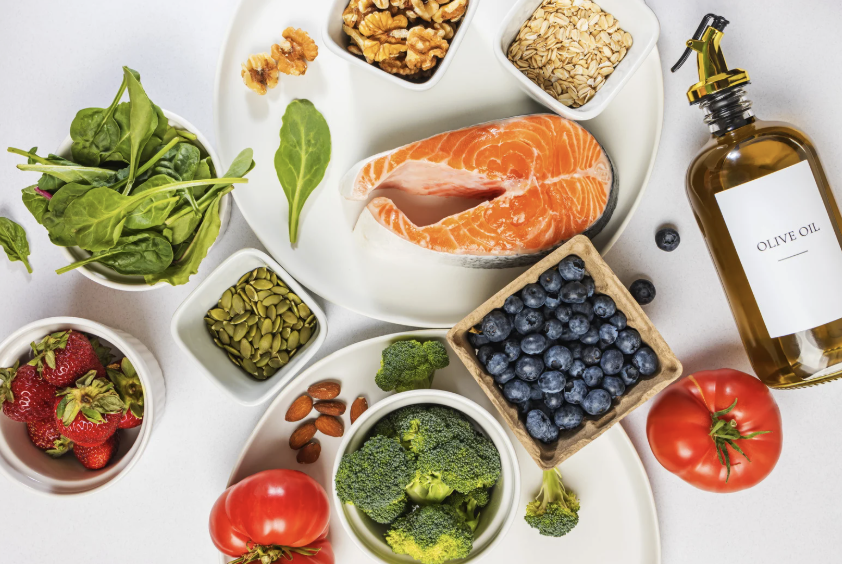
Aim for foods that are in their whole form with no to minimal processing for your young child.
For babies 12 months of age and older, aim for the following across three meals and 1-3 snacks per day:
2-3 servings daily of fruits
2-3 servings daily of vegetables
2-3 servings daily of dairy
2-3 servings daily of proteins
6 servings of grains
But here's the crucial perspective shift: Don't evaluate your child's intake over a 24-hour period. Look at what they've eaten over 5-7 days instead.
Babies and toddlers eat more at some mealtimes than others. Your child might eat a huge breakfast and barely touch lunch. They might go through a phase where they want the same food for three days straight, then refuse it entirely the next week. This is normal. This is developmentally appropriate. When we zoom out and look at the bigger picture of several days, we almost always see that children are getting what they need.
This longer view also helps us, as caregivers, stay calm and trust the process rather than becoming anxious about any single meal or day.
Building the Foundation for a Lifetime
When we approach feeding from an infant mental health perspective, we recognize that we're not just filling bellies, we're building relationships, establishing trust, and laying the foundation for how children will relate to their bodies and to food for the rest of their lives.
The ritual of sitting together. The practice of tuning into internal cues. The trust that a child knows their own body. The safety of consistent boundaries around eating. These aren't just nice ideas, they're the building blocks of emotional security and healthy development.
As you navigate this journey with your little one, remember: you don't have to be perfect. You're learning together. There will be messy meals and refused foods and days when nothing seems to go according to plan. That's part of the process.
What matters most is the intention you bring, the commitment to seeing mealtimes as more than just nutrition, and to honoring your child as a whole person who is learning to inhabit their body with trust and confidence.
At BabySpace Coachella Valley, we support families in understanding child development through a holistic, relationship-based lens. If you have questions about feeding, development, or any aspect of your journey with your little one, please reach out. You don't have to navigate this alone.
Ready to connect with other families navigating this journey? Our infant and toddler groups provide a supportive community where you can explore topics like feeding, sleep, development, and the emotional landscape of early parenthood, all grounded in infant mental health principles. Contact us today to learn more about our current groups and find the right fit for your family.

The playroom at BabySpace Coachella Valley.
BabySpace Coachella Valley
Becoming a parent is a profound and life-altering experience, but it comes with its fair share of unspoken challenges. Meeting with other parents and exploring together what you are envisioning life could look like with your infant and toddler is an invaluable piece of new parenthood. By sharing experiences with others in a place like a BabySpace Coachella Valley Mommy and Me group, parents can find solace in the shared journey of raising the next generation, embracing both the joys and the trials that come with it.
Serving the Coachella Valley and surrounding areas, including: Palm Springs, Cathedral City, Rancho Mirage, Indian Wells, Thousand Palms, Palm Desert, La Quinta, Indio, Bermuda Dunes, Coachella, Thermal, Mecca, Desert Hot Springs, Yucca Valley, and Joshua Tree.
Therapist Palm Desert, Therapist Palm Springs, Postpartum Therapist Palm Desert, Postpartum Therapist Palm Springs, Postpartum Depression Palm Desert, Postpartum Depression Palm Springs, Pregnancy Therapist, mom support groups near me, mommy and me near me, moms support group near me, new mothers groups
#mommyandme #newmomlife #mommylife #firsttimemom #pregnancy #prenatalyoga #expectingmom #newmom #newmommy #motherhood #parenthood #postpartum #mommyhood #groupsupport #palmdesert #palmsprings #laquinta #coachellavalley #coachellavalleylife #coachellavalleyevents #SAHM #SAHMlife #wfh #wfhlife #wfhmom #wfhmomlife #momlife #mommyanddaughter #mommyandson #girlmom #boymom #pregnant #childbirthclasses